Scientists discover first breast cancer 'oncogene' in five years
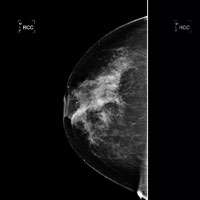
(PhysOrg.com) -- Scientists have pinpointed a key cancer-causing gene that, when overactive, triggers a particularly aggressive type of breast cancer to develop.
This is the first time in over five years that scientists have discovered a new breast cancer 'oncogene' - cancer-causing genes that when overactive upset the normal checks and balances that control when and how often a cell divides.
The researchers, based at Cancer Research UK's Cambridge Research Institute at the University of Cambridge and at the British Columbia Cancer Agency in Vancouver, Canada, believe testing patients tumours to see if the gene - called 'ZNF703' - is overactive could help identify patients with more aggressive tumours, so their treatment can be tailored accordingly.
The research is published in the journal EMBO Molecular Medicine today (Friday, 18 February) alongside a study from an independent research group identifying the same gene, providing definitive evidence that ZNF703 is a genuine breast cancer oncogene.
It's thought that up to a third of more aggressive oestrogen positive breast cancers could have multiple copies of the ZNF703 gene.
If this is confirmed in larger studies it could pave the way for the development of cancer treatments specifically targeting ZNF703.
Testing for ZNF703 activity in the tumour could help reveal if patients are likely to respond to such drugs, in the same way that testing for Her2 activity is used to reveal if a patient may benefit from Herceptin.
To make the discovery the researchers used 'microarray technology', which allows large numbers of tissue samples to be tested simultaneously, picking up subtle differences in gene activity between normal cells and cancer cells.
Lead author Professor Carlos Caldas, from the Cancer Research UK's Cambridge Research Institute and the Department of Oncology where he is Professor of Cancer Medicine, said: "Using this state-of-the-art technology we've been able to pinpoint the precise gene behind this more aggressive type of breast cancer.
"Scientists first discovered this region of DNA may be harbouring genes linked to the development of breast cancer twenty years ago. But it's only with the technology we have today that we've been able to narrow down the search sufficiently to pinpoint the gene responsible.
"Crucially, testing whether this gene is overactive in a patient's tumour could help highlight those more likely to be resistant to standard hormone therapies, such as tamoxifen or aromatase inhibitors, helping to make sure the right drugs are matched to the right patient."
Dr Samuel Aparicio, who co-led the study and is based at the University of British Columbia and British Columbia Cancer Agency in Vancouver, Canada, said: "The discovery of ZNF703, as a new 'driver gene' in oestrogen receptor positive breast cancer, is another product of the very fruitful and long standing collaboration with our colleagues in the UK, emphasising that the fight against breast cancer takes place at the international level, with all partners bringing their unique skills and resources."
The researchers had already identified a region on human chromosome eight likely to harbour genes linked to the development of a more aggressive form of oestrogen positive breast cancer, because multiple copies of it are commonly found in tumours but not in healthy tissue.
Focusing on this region, they studied the patterns of gene activity in 1172 breast tumours, as well as breast cancer cells grown in the lab. This allowed them to eliminate one gene at a time until there was only one gene left within that region that was overactive in all the samples tested.
Crucially there were two patients in which ZNF703 was the only gene shown to be overactive, providing further evidence that it was the driving force in the development of the cancer.
Dr Lesley Walker, director of cancer information at Cancer Research UK, said: "This is the first gene of its kind to be discovered in breast cancer for five years. This is exciting because it's a prime candidate for the development of new breast cancer drugs designed specifically to target tumours in which this gene is overactive. Hopefully this will lead to more effective cancer treatments in the future."


