Study finds suntan oil is present on our tables
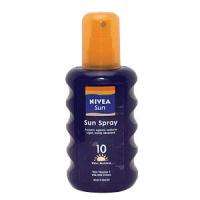
Suntan oil, which can change the sex of fish, is present in our food and drinking water. The Independent website has reported that experts have discovered male hornyhead turbot and English sole feeding next to sewage on the Californian coast. Both species are undergoing gender transformation into females and a chemical identified in sunscreens is being held responsible.
Researchers at the University of California have discovered that 66% of the male turbot and sole feeding next to a sewage outfall along the California coast were growing ovary tissue in their testes. In another development, studies carried out by the Southern California Coastal Water Research Project have identified fish affected all along the California coast. This research is the first to spot gender changes in fish in their natural habitat.
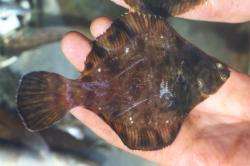
Swiss researchers also claim to have found gender-transforming chemicals from sun creams and oils building up in fish in their rivers
In the UK, research sponsored by the UK Environment Agency in 2002 on the feminising of fish in British waters attributed the gender changes to oestrogen in urine from users of the contraceptive pill. However, the University of California researchers said the only factor they identified was oxybenzone, which is used to protect the skin from the ultraviolet rays of the sun. Although similar to oestrogen, oxybenzone is washed off tanned bodies in the shower or bath. It then passes through sewage works and settles on the seabed where fish come and feed.
The researchers believe sunscreens and other pollutants could have a role. The Swiss team has identified two other gender-bender components found in sunscreen and lip balm. They are octocrylene and 4-methylbenzylidene camphor, both of which are reportedly building up in fish.
The researchers are concerned that people could be exposed to these chemicals by eating fish, drinking water and applying cosmetics onto their skin. Cosmetic manufacturers have refuted this, claiming that sun protection lotions save lives and that "sunscreen phobia" could lead to more cases of cancer.
Concerns also remain about the universal use of sunscreens. When we shield ourselves from sunlight, our bodies produce less vitamin D, which protects us against as many as 16 different cancers.
Copyright 2006 PhysOrg.com


