Cranberries may improve chemotherapy for ovarian cancer
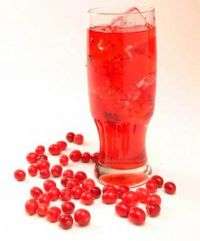
Compounds in cranberries may help improve the effectiveness of platinum drugs that are used in chemotherapy to fight ovarian cancer, researchers have found in a laboratory study that will be reported today at the 234th national meeting of the American Chemical Society.
The scientists demonstrated in cell culture studies that human ovarian cancer cells resistant to platinum drugs became up to 6 times more sensitized to the drugs after exposure to the cranberry compounds in comparison to cells that were not exposed to the compounds, which were obtained from juice extracts.
Although preliminary, the findings have the potential to save lives and reduce the harmful side effects associated with using high doses of platinum drugs for the treatment of ovarian cancer, the researchers say, adding that human studies are still needed. The new study adds to a growing number of potential health benefits linked to cranberries.
“For the first time, we have shown in our in vitro studies that cranberry extracts can sensitize resistant human ovarian cancer cell lines,” say study co-presenters Ajay P. Singh, Ph.D., and Nicholi Vorsa, Ph.D., natural products chemists at Rutgers University. “This has opened up exciting possibilities for therapeutic intervention associated with platinum therapy,” add Singh and Vorsa, who collaborated with colleagues Laurent Brard, M.D., Ph.D, Rakesh K. Singh, and K.S.Satyan, Ph.D., of Brown University.
But the researchers caution that the study is experimental and that patients with ovarian cancer should always consult with their physicians before trying any type of anti-cancer therapy. Ovarian cancer is the seventh most common cancer and the fifth leading cause of cancer death among women in the United States, according to the Centers for Disease Control and Prevention.
Chemotherapy using platinum drugs, including cisplatin and paraplatin, is a mainstay treatment for ovarian cancer. However, cancer cells tend to develop resistance to platinum therapy and higher doses of the drugs can cause unwanted side-effects, including nerve damage and kidney failure.
The new study focused on cranberry juice because of past research suggesting that the juice has a wide range of potential health benefits, including the ability to fight urinary tract infections, stomach ulcers, and cancer. Singh and his associates obtained ovarian cancer cells that were relatively resistant to platinum. They treated the cells with various doses of a purified extract of commercially available cranberry drink (containing 27 percent pure juice), exposed the cells to the platinum drug paraplatin and compared them to cells that were not exposed to the extract.
Paraplatin killed 6 times more cancer cells that were pre-treated with juice extract compared to cells that were exposed to the cancer drug alone, the researchers say. The extract also slowed the growth and spread of some cancer cells. The maximum amount of juice extract given to the cells was the human equivalent of about a cup of cranberry juice, according to the researchers.
Singh and colleagues believe that the active compounds in the extract are powerful antioxidants called ‘A-type’ proanthocyanidins that are unique to cranberries and not found in other fruits. The researchers add that they do not understand exactly how the cranberry compounds work. However, based on research by other groups, these compounds appear to bind to and block certain tumor promoter proteins found in the ovarian cancer cells, they say. The result is that the cancer cells become more vulnerable to attack from the platinum drugs, the scientists say, noting that the cranberry compounds are not a cure for cancer.
The researchers hope to eventually identify the most active anti-cancer fractions of the cranberry extract and determine the optimal dose for effectiveness against ovarian cancer. Theoretically, a therapeutic compound made from cranberry extract could be used as part of an injectable chemotherapy regimen or as a beverage supplement to be consumed during chemotherapy, says Singh. Animal studies will begin soon and a new therapy could one day be available to consumers if further testing proves successful, he says.
For now, the researchers recommend that those with ovarian and other types of cancer seek their physician’s advice for the most effective treatment options. The current study was funded by the National Institutes of Health and the Rutgers New Jersey Agricultural Experiment Station.
Source: American Chemical Society


