Invasive species spreads to Vilas County lake in Wisconsin
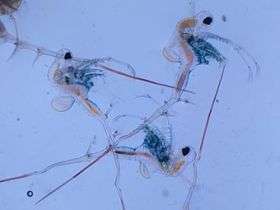
The spiny water flea, a small but aggressive aquatic invasive species, has made its way into another of Wisconsin's lakes, University of Wisconsin-Madison researchers reported last week.
The discovery of spiny water fleas in Stormy Lake in Vilas County makes the lake only the second inland body of water in the state known to harbor this invasive species. The first Wisconsin population was discovered in 2003 by UW-Madison researchers in the Gile Flowage, near Hurley, Wis.
Researchers at UW-Madison's Trout Lake Station found the invasive species while monitoring the lake for other types of zooplankton, the tiny aquatic animals that form the basis of lake food chains, says James Rusak, a Center for Limnology scientist based at Trout Lake.
Spiny water fleas prey heavily on native zooplankton and may disrupt lake ecosystems by competing with young fish for food, says UW-Madison limnologist Jake Vander Zanden, who studies aquatic invasive species. Although the small invasive crustaceans are also a type of zooplankton, their namesake spines — barbed, and up to two-thirds of their half-inch length — make them poor fodder for larval fish.
"That spine makes them really horrible food for young fish," he says. "Small fish are not able to consume these creatures."
Ecosystem and food web changes may impact fish populations in invaded lakes, though specific effects are hard to predict, he says.
Like other aquatic invasive species, spiny water fleas are primarily spread by boaters who travel between infested and non-infested waters. The population now established in Stormy Lake probably started when boaters inadvertently transported water from an infested lake or reservoir, likely one in Michigan's Upper Peninsula or one of the Great Lakes, says Vander Zanden.
The troublesome European native reached the Great Lakes at least two decades ago, probably in ship ballast water, and has been spreading inland ever since in areas including the Upper Peninsula and Ontario, Canada. Although Wisconsin has been largely unaffected to date, Vander Zanden says the discovery in Stormy Lake could indicate that the state's waters are now at greater risk.
Spiny water flea spread has followed a pattern in other areas, he says. "Once they start getting into the inland lakes, they start to accelerate the rate of invasion of new inland lakes. You see one, then the next year you see a few, next you see a bunch, and soon you see tremendous numbers of lakes invaded."
Based on these patterns of spiny water flea spread in other states and Canada, he and other scientists have been monitoring Wisconsin's waters for signs of the small invasive zooplankton.
"It's been on our radar, but we haven't seen it spread until now," says Rusak, one of the scientists involved in the monitoring. "It seems like a fairly recent addition to Stormy Lake."
The positive test in Stormy Lake highlights the need for active steps to prevent the spread of aquatic invasive species, says Julia Solomon, aquatic invasives education specialist for UW-Extension and the Wisconsin Department of Natural Resources (DNR). "Unfortunately, there are no effective ways to control spiny water fleas once they're in a lake, which makes prevention very important," she says.
"There are only two populations of spiny water flea in the state of Wisconsin and there are 15,000 lakes that don't have spiny water flea. It's really important to stop them from spreading now, while there are only two invaded inland lakes," agrees Vander Zanden.
Because the spiny water flea and other aquatic invasive species are primarily spread by boaters, the DNR reminds boaters that cleaning their boats and equipment is vital to preventing further spread. The good news, says Solomon, is that the steps to rid boats and gear of water fleas are the same steps that the DNR has been encouraging all boaters to take to prevent the spread of other aquatic invaders.
According to the DNR, every time boaters and anglers get ready to leave a water body, they should make sure to:
-- Inspect boat, trailer and equipment and remove visible aquatic plants, animals, and mud;
-- Drain water from boat, motor, bilge, live wells, and bait containers;
-- Dispose of leftover bait in the trash, not in the water
-- Rinse boat and recreational equipment with hot or high-pressure water, or dry for at least five days.
Source: University of Wisconsin-Madison


