Scientists overcome obstacles to stem cell heart repair
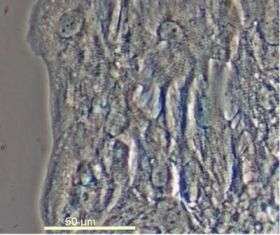
Scientists funded by the Biotechnology and Biological Sciences Research Council (BBSRC) at Imperial College London have overcome two significant obstacles on the road to harnessing stem cells to build patches for damaged hearts.
Presenting the research at a UK Stem Cell Initiative conference today (13 December) in Coventry, research leader Professor Sian Harding will explain how her group have made significant progress in maturing beating heart cells (cardiomyocytes) derived from embryonic stem cells and in developing the physical scaffolding that would be needed to hold the patch in place in the heart in any future clinical application.
From the outset the Imperial College researchers have been aiming to solve two problems in the development of a stem cell heart patch. The first is undesirable side effects, such as arrhythmia, that can result from immature and undeveloped cardiomyocytes being introduced to the heart. The second is the need for a scaffold that is biocompatible with the heart and able to hold the new cardiomyocytes in place while they integrate into the existing heart tissue. Matching the material to human heart muscle is also hoped to prevent deterioration of heart function before the cells take over.
Professor Harding will tell the conference that the stem cell team, led by Dr Nadire Ali, co-investigator on the grant, have managed to follow beating embryonic stem cell-derived cardiomyocytes for up to seven months in the laboratory and demonstrate that these cells do mature. In this period the cells have coordinated beating activity, and they adopt the mature controls found in the adult heart by approximately four months after their generation from embryonic stem cells. These developed cardiomyocytes will then be more compatible with adult heart and less likely to cause arrhythmias.
The team have also overcome hurdles in the development of a biocompatible scaffold. Working closely with a group of biomaterial engineers, led by Dr Aldo Boccaccini and Dr Qizhi Chen, co-investigators on the grant, in the Department of Materials, Imperial College London, they have developed a new biomaterial with high level of biocompatibility with human tissue, tailored elasticity and programmable degradation. The latter quality is important as any application in the heart needs to be able to hold cells in place long enough for them to integrate with the organ but then degrade safely away. The researchers have found that their material, which shares the elastic characteristics of heart tissue, can be programmed to degrade in anything from two weeks upwards depending on the temperatures used during synthesis.
Professor Harding said: “Although we are still some way from having a treatment in the clinic we have made excellent progress on solving some of the basic problems with stem cell heart therapies. The work we have done represents a step forward in both understanding how stem cell-derived developing heart cells can be matured in the laboratory and how materials could be synthesised to form a patch to deliver them to damaged areas of the heart.
“A significant amount of hard work and research remains to be done before we will see this being used in patients but the heart is an area where stem cell therapies offer promise. We know that the stem cell-derived cardiomyocytes will grow on these materials, and the next step is to see how the material and cell combination behave in the long term.”
Professor Nigel Brown, BBSRC Director of Science and Technology, commented: “This research shows that although embryonic stem cell therapies are still some way away from the clinic, progress is being made on the basic biological developments. As with all new biomedical applications, an understanding of the underpinning fundamental science is essential to successfully moving forward.”
Source: Biotechnology and Biological Sciences Research Council


