Study of bear hair will reveal genetic diversity of Yellowstone's grizzlies
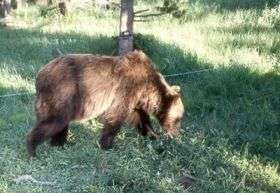
Locks of hair from more than 400 grizzly bears are stored at Montana State University, waiting to tell the tale of genetic diversity in the Yellowstone Ecosystem.
Ranging from pale blond to almost black, the hair is filed in a chest freezer where the temperature is minus-77.8 degrees. Some of the tufts are almost 25 years old.
The hair will head to Canada in a few months to be analyzed at Wildlife Genetics International in Nelson, British Columbia, said Chuck Schwartz, head of the Interagency Grizzly Bear Study Team based at MSU. The team is monitoring the genetic diversity of the Yellowstone grizzlies over time and wants to know when new DNA appears. The team will also compare the Yellowstone bears with those in the Northern Continental Divide Ecosystem where a similar study has been done.
"An objective of the study is to determine if bears from the Northern Continental Divide Ecosystem migrate to the Yellowstone," Schwartz said.
The Northern Continental Divide Ecosystem includes Glacier National Park, parts of the Blackfeet and Flathead Indian Reservations, parts of five national forests, five wilderness areas and Bureau of Land Management property in northwest Montana. The Yellowstone Ecosystem includes Yellowstone and Grand Teton National Parks, six national forests, and state and private land in portions of Montana, Wyoming and Idaho.
An estimated 550 to 600 grizzlies live in the Yellowstone Ecosystem, about twice what it was 20 years ago, but the population currently lacks diversity, Schwartz said.
"We know it's low," he said. "There are concerns about inbreeding and other issues because we don't have new genes flowing into the system on a regular basis."
Field crews from a variety of federal and state agencies plucked the hair the study team is storing, Schwartz continued. Each lock came from somewhere off the bears' shoulders, but the way it was collected varied. Some of the bears died of natural causes or were killed by humans. Other bears were temporarily unconscious while scientists fit them with radio collars or moved them to another location after they'd gotten into trouble. Some bears left hair behind while crawling underneath barbed wire.
"The vast majority of the time, it is routine," Mark Haroldson said of the collection process. Haroldson is a supervisory wildlife biologist with the Interagency Grizzly Bear Study Team. He has collected bear hair since the late 1980s.
Schwartz said researchers in Idaho can tell him if the hair came from one bear or several. They can tell him the bear's gender and whether the hair came from a bear at all. To answer the tougher questions, Schwartz turns to the Wildlife Genetics International, which routinely analyzes hair from grizzlies, black bears, wolverines and other wildlife in Canada and the United States. The Canadian lab examined the grizzly hair from the Northern Continental Divide Ecosystem. It also analyzes hair collected by MSU graduate students in Yosemite National Park in California and Banff National Park in Alberta, Canada.
Bear hair is tricky because the amount of DNA it contains is so small, said Steven Kalinowski, the students' adviser and a conservation geneticist in MSU's ecology department. Jennifer Weldon, manager of the Canadian lab, said dirty hair can challenge some researchers. So can hair that came from a dead animal and spent so much time in the elements that the DNA degraded.
Schwartz said shafts of the Yellowstone hair will eventually return to MSU so he can conduct other tests and have samples available when new study techniques are developed.
Source: Montana State University


