Iodized table salt may be low in iodine, raising health concerns
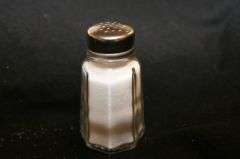
Amid concern that people in the United States are consuming inadequate amounts of iodine, scientists in Texas have found that 53 percent of iodized salt samples contained less than the U.S. Food and Drug Administration (FDA) recommended level of this key nutrient. Iodized table salt is the main source of iodine for most individuals, they note in a study scheduled for the Feb. 15 issue of ACS’ Environmental Science & Technology.
Purnendu K. Dasgupta and colleagues point out that iodine intake has been decreasing in the United States for decades. The reasons include reduced use of iodine-based additives in livestock feed and bread, and public health warnings about salt’s role in high blood pressure.
Iodine is especially important for normal brain development in newborn infants and children, they state, noting a link between iodine deficiency and attention deficit disorder or ADD that has been suggested by other researchers.
To assess the adequacy of iodine nutrition, the researchers tested 88 samples of iodized salt and found that 47 did not meet the FDA’s recommended level. In addition, amount of iodine varied in individual packages and brands of salt. The researchers expressed particular concern about the adequacy of iodine nutrition in women who are pregnant or nursing.
“If salt does supply a significant portion of the iodine intake of a pregnant/lactating woman in the United States (note that a large fraction of postnatal vitamins contain no iodine), and she is unfortunate enough to pick a can of salt that is low in iodine or in which distribution is greatly uneven, there is a potential for serious harm,” the study states.
Source: ACS


