Global warming threatens more than just coral
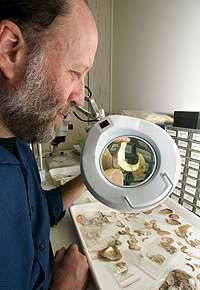
Rising sea levels from global warming will threaten the livelihoods and homes of more than 200,000 people who live on coral atolls in coming generations.
The warning comes from UQ archaeologist and expert on the prehistoric use of coral atolls, Dr Marshall Weisler, who says the Central Pacific islands of Kiribati, Tuvalu and the Marshall Islands as well as the Maldives in the Indian Ocean, are most at risk.
Dr Weisler said the situation was more serious than people realised with agricultural land already being lost to rising seas in the Marshall Islands.
“People have shown me where there used to be gardens, are now lagoons. There are coconut trees that are 20 metres off shore, half falling over,” Dr Weisler said.
“In Kiribati, there are high tides that inundate portions of villages, so people are on dry land in the morning and on stilt house villages with water under their house during high lunar tides.
“There are very serious problems for the next generation which may not even be able to live on the island that they are living on now.”
The International Panel on Climate Change has predicted sea levels could rise between nine and 88 centimetres this century.
Atolls are at risk because they are small, coral islands barely metres above current sea levels.
Dr Weisler said predicting sea level rises was complex as waters could rise by different levels and have different effects, depending on the atoll location.
He said island nations would face tough decisions in the future about land ownership, economic futures and relocating entire countries within other nations.
“In Kiribati, where is the next generation going to live?” he said.
Dr Weisler said he hoped Japan's Ministry of Environment would continue to fund further studies into the sustainability of reef islands.
He spoke about the prehistoric history of coral atolls at a sustainable atoll management conference at the University of Tokyo last month with some of Japan's leading coral atoll experts.
The group recommended there be more study into the adaptive capacity of atoll islands, more modelling on atoll development and more public awareness of the current situation.
“The people on these islands have a small voice because they are not Western industrialised countries with high populations. People aren't paying attention to them,” Dr Weisler said.
Source: University of Queensland


