Evidence of commerce between ancient Israel and China
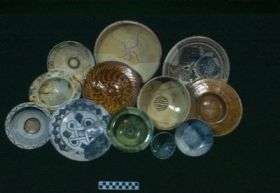
Throughout the 12th and 13th centuries - during the time of the Crusades –ceramic vessels reached Acre from: Mediterranean regions, the Levant, Europe, North Africa, and even China – reveals new research, which examined trade of ceramic vessels, conducted at the University of Haifa.
This research, conducted by Dr. Edna Stern under the direction of Prof. Michal Artzy and Dr. Adrian Boasz, examined pottery found during excavations conducted by the Israel Antiquities Authority of Crusader period Acre and pottery found in shipwrecks around the Mediterranean coast.
According to Dr. Stern, during these centuries, Acre – in addition to being the gateway for Christian pilgrims into the Land of Israel, was one of the busiest commercial ports in the Latin East that had commercial links to Europe, the Islamic world and the Byzantine Empire.
The study found that the majority of the ceramic wares that were imported to Acre included glazed tableware, predominantly bowls and plates. Other vessel forms that arrived in smaller numbers include containers, jars, bowls and cooking wares. 44.5% of imports arrived from the Mediterranean regions of Cyprus, Greece and Asia Minor. There were also strong commercial links with the neighbors in Syria and Lebanon where 29.3% of the imports arrived from. Western Mediterranean regions– such as France, Catalonia and Tunisia, were the source of some 3.3% of ceramic vessels and even Chinese pottery arrived in Acre - 0.2% of the imported pottery arrived from China.
According to Dr. Stern, in contrast to the notion that ceramic wares were imported to Acre and surrounding ports as luxury items, the findings of her study revealed exactly the opposite. “Pottery that arrived in Acre, and other sites around the Mediterranean Sea, did not arrive because of their high value, rather it seems that they were imported by commercial shipping companies for the long and medium term as secondary items as ‘space fillers' for the more expensive items that were shipped,” she concluded.
Source: University of Haifa


