Scientists Discover New Way of Selectively Killing Cancer Cells
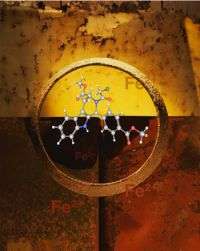
A Columbia University professor has discovered a chemical mechanism that can selectively kill cancer cells while leaving normal cells unharmed. Brent R. Stockwell, an associate professor in the department of biological sciences and the department of chemistry at Columbia University, found two new lethal compounds, RSL3 and RSL5, that act through a cellular pathway unique to certain cancers. The results of the study appear in the March 24 issue of the journal Chemistry and Biology.
“We have shown that there are new ways of selectively eliminating tumor cells,” said Stockwell. “Using this new approach, we should be able to learn new features of cancer cell biology, and also how we can eliminate tumor cells without targeting normal cells. The approach we have taken is general and can ultimately be applied to many different mutant genes and many kinds of cancers.”
One of the major goals of cancer research and cancer drug discovery is to find compounds and mechanisms that selectively target tumor cells, without affecting healthy cells. Synthetic lethal screening is one such strategy that ferrets out small molecules with increased activity in cancer cells harboring a specific genetic mutation.
Synthetic lethal compounds may also help avoid the terrible side effects of existing cancer drugs that target proliferating cells, including non-cancerous proliferating cells in the scalp and stomach lining, leading to hair loss and nausea that commonly arise from chemotherapy. In the long run, therapies based on synthetic lethal compounds should be more effective with fewer side effects.
Stockwell and Wan Seok Yang, a postdoctoral researcher and co-author of the study, screened thousands of small molecules for synthetic lethal interactions with oncogenic RAS, which is found in about one-third of human cancers. This mutant cancer-causing protein, known as an oncogene, has been resistant to direct targeting efforts. The synthetic lethal screen resulted in the identification of two compounds, RSL3 and RSL5, with increased activity in the presence of this mutant oncogene.
Stockwell and Yang used these compounds to discover that the mutant RAS protein causes these tumor cells to accumulate excess iron. In the presence of RSL3 and RSL5 compounds, iron found in these cancer cells is exploited and used to cause them to die through a unique cellular mechanism, a process referred to as oxidative cell death. The RSL3 and RSL5 molecules can now be used as probes to study this mechanism and may serve as scaffolds to develop anticancer drugs whose overall effectiveness is high and also hold the promise of minimal side effects.
The next step for this research is to find the direct protein target of RSL3, the only compound for which the target has not been determined. This should reveal an important new mechanism for killing tumor cells. Ultimately the team would like to attempt to turn one or more of these compounds into a therapeutic drug. The primary challenge will be to find a way to formulate these compounds and to create optimized versions of them for clinical development. Stockwell’s team estimates that they are at least three years away from opening a clinical trial on these new compounds.
A fundamental challenge in this type of study is understanding and defining exactly how the compounds function on a molecular level. Stockwell and Yang used an innovative approach of testing known chemicals for their ability to suppress the lethality of RSL3 and RSL5 which then allowed the scientists to understand how the compounds kill tumor cells. Research groups at Harvard and Johns Hopkins, among others, have discovered a few synthetic lethal compounds, but less work has been done on defining their mechanism.
This is not the first synthetic lethal compound discovered by Stockwell and Yang. In the summer of 2007, they published a paper in the journal Nature on the first major mechanism discovered with a synthetic lethal compound erastin (newly named by Stockwell) and voltage-dependent anion-selective channels (VDACs), which allow the passage of small molecules across the mitochondrial outer membrane, the major barrier between the cell and its energy producing powerhouse. This achievement lead to Stockwell's Beckman Young Investigator Award for his research into novel methods of cell death.
Source: Columbia University


