Fungus fight: Researchers battle against dangerous corn toxin
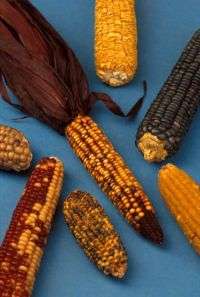
The spiraling use of corn for food and fuel is creating heightened concerns about contamination of this staple crop with deadly aflatoxin. Produced by certain fungi that grow on corn, this contaminant is a known human carcinogen that especially threatens food safety in the developing world and can potentially cause the loss of hundreds of millions of dollars in the United States each year.
Bruce Hammond, Ph.D., a lead researcher at Monsanto’s Product Safety Center, says that aflatoxin is a potent liver carcinogen and source of other health concerns in humans and animals. Tightly regulated by the FDA, Hammond said threatening levels of the contaminant are kept out of the food supply in the United States. But in Africa and the developing world, poor regulation has made aflatoxin a significant food safety issue.
At the 235th national meeting of the American Chemical Society in New Orleans, Hammond and others presented advances towards the production of corn less susceptible to aflatoxin contamination. The new varieties could contribute to the reduction of the worldwide threat of the deadly toxin, improve food quality in developing countries and increase corn yield for food and in the United States.
Growing conditions in Africa are well-suited for Aspergillus flavus, the fungus that produces aflatoxin. Environmental factors like drought, high temperatures, nitrogen availability and insect damage in plants allow the fungus to thrive. Fungal spores can enter the corn via cavities created by insects, and later germinate and produce mycotoxins, the problematic family of contaminants that includes aflatoxin.
In Africa, where both animals and man eat feed corn, people die as a result of acute aflatoxin exposure. In 2007, there were over a hundred deaths in Kenya alone. Levels of the liver toxin rise to especially dangerous levels in those with hepatitis.
However, the contaminant poses the biggest threat to children.
“There are studies documenting the correlation between growth issues in West African children and ingestion of aflatoxins,” said Robert L. Brown, a plant pathologist at the United States Department of Agriculture who studies genes that might confer aflatoxin resistance in corn. He also said the toxin has an effect on immune function in children. Brown is in the process of releasing six new corn inbred lines that are the result of crosses between U.S. aflatoxin-resistant lines and African resistant lines. These new inbreds have been selected for valued crop characteristics as well as for resistance.
Estimates suggest that 4.5 billion people in developing countries are chronically exposed to aflatoxin. While the health threat looms in developing nations, it is also a significant economic threat to agriculture in the United States.
“Because of climate, you can find an aflatoxin breakout somewhere in the southern U.S. pretty much every year,” said Brown. These outbreaks can drive up prices for ethanol if it’s feed corn byproducts become contaminated.
In the quest to engineer better corn crops, scientists at Monsanto are targeting insect pests that can rob corn yield and decrease grain quality. The first generation of their so-called “Bt corn” incorporated a gene into the corn genome from Bacillus thuringiensis (Bt), a soil microbe that produces a protein that kills harmful corn pests like the European and southwestern corn borer. Bt is the active ingredient in microbial pesticides widely used in organic and conventional agricultural systems for close to 50 years.
“Bt is found commonly in the environment already. After inserting the gene into the corn plant, the crop makes an insect control protein within the plant that helps protect it from target species like European corn borer, but doesn’t harm other non-target insects or species. The use of this technology has also allowed farmers to decrease other forms of pesticide protection, helping the environment in the process,” said Hammond.
The Bt corn successfully resisted insect damage by the European corn borer, rootworm and other insects that allow mycotoxin-producing fungi to infect corn plants. Now, varieties of Bt corn make up 55 to 60 percent of all corn grown in the United States each year, according to Hammond.
Subsequent studies confirmed a secondary benefit — with less insect damage on corn ears, the Bt corn suffered less fungal infection and had lower levels of certain mycotoxins, but not aflatoxin. Hammond’s team followed up on these observations with the aim to reduce aflatoxin levels.
Today, Monsanto researchers aim to confer even more insect protection to the second generation of Bt corn. Pending regulatory approval, the new varieties could include additional genes that guard against a broader variety of pests like the fall armyworm, a particular threat to the southern United States associated with aflatoxin contamination.
Preliminary trials found that the new Bt corn variety had reduced levels of aflatoxin, said Hammond. Other sites in the US and in Argentina also showed lower insect damage to the corn from other pests.
“These preliminary results are encouraging, and we look forward to more trials performed under a variety of environmental conditions to show that these reductions are reproducible,” said Hammond.
The researcher’s future efforts aim to lessen the effect of other environmental stressors that can trigger fungal growth in plants.
“If we take insect protection, combine it with drought tolerance, protect the roots against root damage, have herbicide resistance and improved nitrogen utilization all in the same plant, maybe we will have plants that are much less susceptible to these stress factors and, as a secondary effect, reduced mycotoxin contamination,” said Hammond.
Source: American Chemical Society


