Americans Hard to Contain on Potted Plant Expenditures
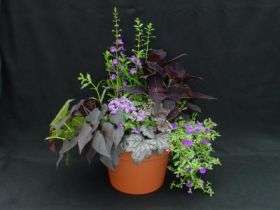
When it comes to using plant-filled pots on the porch or around the landscape, Americans are hardly able to contain themselves. U.S. consumers spend more than $1.3 billion a year on this gardening method, according to Container Gardening Associated, an online site devoted to the technique.
Container gardens, the use of a variety of plants in any type of container, are often associated with yardless apartments or condominiums. But they also are popular with the elderly and disabled , as well as for areas where soil quality is a problem or where pots define an area or direct traffic.
Retailers can cash in on container gardening by offering more extensive plant care information, making plant and container selection easy and pricing the pre-planted or do-it-yourself containers properly, according to a new study by Dr. Terri Starman, Texas AgriLife Research horticulturist.
“We found that there is a potential to increase the value of a container garden through providing educational material with the purchase,” Starman said.
The study, in the current issue of the journal HortScience, also found that most people prefer a container garden with a complementary color harmony in the price range of $25. Complementary colors are opposite each other on the color wheel.
Starman said the research is useful for retailers, particularly as the U.S. economy slips.
Previous studies have shown that in hard economic times, people continue to garden - perhaps even more so because they stay close to home to save money, Starman said.
“The trend toward ‘green’ awareness calling us to reduce our carbon footprint also pertains to container gardening,” she said. “Everything in container gardening is confined, so it takes less water and other inputs. And people are using them not only for flowers but for growing vegetables and herbs as food prices increase.”
When container gardening became trendy about 10 years ago, retailers were initially hesitant for fear that the plants would not last long and the consumer would become dissatisfied, Starman noted.
“So retailers have developed ways to provide containers that last longer,” she said. “For the money, a container lasts longer than a similarly priced bottle of wine or dinner out, for example, and that’s important to the consumer.”
But retailers didn’t stop there, she said. Some are already offering “take-home packs” of plants marketed to replenish annual plants that have died in containers or to change out seasonally.
The next major push, Starman believes, will be toward the education, increased care information requested by people in the study.
More than three-fourths of the respondents in Starman’s study, an online survey, said they would be more likely to purchase a container garden if extensive information was provided, and 85 percent said they would be willing to visit a Web site to obtain that information.
“Developing Web sites for the information would save growers the expense of putting tags for all the plants, especially if there are multiple plants in one container,” she pointed out.
Starman said additional research is needed, particularly on the pricing side of container gardening, because there are two types of consumers for this product: the do-it-yourself type and the do-it-for-me type.
“Some are willing to spend a lot more money for a beautiful container garden,” she said. “And there is also a market for servicing container gardens, especially for independent nursery operators who can sell it, deliver it, maintain it and change it out seasonally, for example.”
Source: Texas A&M University


