New-generation artificial cornea could restore vision for millions worldwide
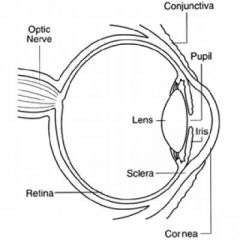
An improved artificial cornea, which could restore the vision of more than 10 million people worldwide who are blind due to diseased corneas, finally is moving toward reality, scientists in California conclude in a new analysis of research on the topic. Their study is scheduled for the June 6 issue of ACS' Biotechnology Progress.
Curtis Frank, Christopher Ta, David Myung, and Jennifer Cochran point out that disease or injury to the cornea — the clear tissue covering the front of the eye — is the second leading cause of blindness worldwide.
Although treated in developed countries with transplants from donors, cornea transplants are unavailable in many parts of the world due to shortages of donors or to cultural or religious barriers. The growing popularity of laser eye surgery also is reducing availability of corneas by making them unacceptable for donation, the researchers add.
The report describes new materials that already have made limited-use artificial corneas available, partially fulfilling a medical dream that dates to 1771. More advanced materials, including polymer hydrogels similar to those used to make soft contact lenses, promise to so closely imitate human donor corneas that “these devices could eliminate the need for donor corneas altogether,” the article notes.
Source: American Chemical Society


