Farmers who plant -- or replant -- after June 20 may see yields drop by half
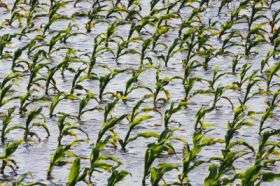
A costly deadline looms for many growers in the Midwest, as every day of waiting for the weather to cooperate to plant corn and soybeans reduces potential yields. Illinois growers who plant corn or soybeans near the end of June can expect a 50 percent reduction in crop yield, according to a University of Illinois agriculture expert.
The US Department of Agriculture reports that corn and soybean growers in several Midwestern states are behind schedule on their planting. A cooler and wetter-than-average spring has left Illinois and Indiana furthest behind on planted corn and soybeans. Several other states are lagging behind their normal planting schedules, but by a lesser margin.
In Illinois, 95 percent of the corn is planted and 88 percent has emerged, but less than half of that is reported to be in good or excellent condition. Fully 14 percent of the acres planted are in poor or very poor condition, with another 38 percent reported as "fair." Those acres in poor or very poor condition may have to be replanted.
In Illinois, the corn was only seven inches high as of June 9, compared to an average 17 inches by this time in recent years.
"This has been a bad spring by most measures," said Illinois crop sciences professor Emerson Nafziger. "We keep seeing forecasts that look favorable and then that doesn't happen. The chance of having above-average yields has diminished greatly."
Cool temperatures and the third wettest January-April since 1895 in Illinois have led to delays that are undercutting potential yields. Nafziger's analysis of previous years' corn planting data in Illinois determined that "we can expect 50 percent of the maximum yield when planting is done around June 15 to 20."
Those growing soybeans in southern Illinois may get 50 percent of their maximum yield if they plant no later than June 25 to 30, he said.
Some growers – in southern Illinois especially – will have to replant as wet conditions have caused some seed to rot.
Despite the poor conditions, Nafziger finds it encouraging that 95 percent of Illinois corn acres have already been planted. While some acres will have to be replanted, high temperatures should help boost the growth rate of what has survived so far, he said.
Soybeans are further behind. Only 66 percent of the soybean crop was in the ground as of June 9 in Illinois, compared to an average 92 percent planted by this time in recent years.
Most growers will not get the yields they expected, but high prices for their crops – and crop insurance – should see them through, Nafziger said.
"Even with high costs, the yield needed to cover costs is relatively low when corn is more than $6 a bushel," he said. "But we're looking at some real disappointment at having so much income potential not realized this year due to weather-related crop problems."
Source: University of Illinois at Urbana-Champaign


