Mysterious mountain dino may be a new species
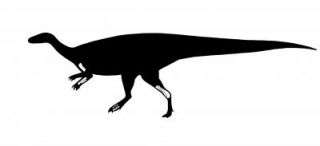
A partial dinosaur skeleton unearthed in 1971 from a remote British Columbia site is the first ever found in Canadian mountains and may represent a new species, according to a recent examination by a University of Alberta researcher.
Discovered by a geologist in the Sustut Basin of north-central British Columbia 37 years ago, the bones, which are about 70 million years old, were tucked away until being donated to Dalhousie University in 2004 and assigned to then-undergraduate student Victoria Arbour to research as an honours project. She soon realized that the bones were a rare find: they are very well-preserved and are the most complete dinosaur specimen found in B.C. to date. They are also the first bones found in B.C.'s Skeena mountain range.
"There are similarities with two other kinds of dinosaurs, although there's also an arm bone we've never seen before. The Sustut dinosaur may be a new species, but we won't know for sure until more fossils can be found," said Arbour, who finished researching the bones while studying for her master's degree at the University of Alberta. "It's very distinct from other dinosaurs that were found at the same time in southern Alberta."
The seven shin, arm, toe and possible skull bones were found nestled in a dip between mountains in the Skeena range, and while the fragments resemble those from a small two-legged, plant-eating dinosaur, the rest of the creature's identity is a mystery, Arbour says.
The fossils are currently in the collection of the Royal British Columbia Museum in Victoria and Arbour hopes to lead a U of A team to the site for future investigation.
Arbour's findings were published recently in the Canadian Journal of Earth Sciences.
Source: University of Alberta


