Anti-HIV therapy boosts life expectancy more than 13 years
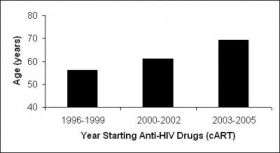
The life expectancy for patients with human immunodeficiency virus (HIV) has increased by more than 13 years since the late 1990s thanks to advancements in antiretroviral therapy, according to researchers at the University of Alabama at Birmingham (UAB) and Simon Fraser University in Vancouver, British Columbia.
Improved survival has led to a nearly 40 percent drop in AIDS deaths among 43,355 HIV-positive study participants in Europe and North America, bolstering the call for improved anti-HIV efforts worldwide, the study authors said.
The study is published in the British medical journal The Lancet. It was compiled by The Antiretroviral Therapy Cohort Collaboration, which includes UAB, Simon Fraser University and more than a dozen other research sites around the world.
The authors looked at changes in life expectancy and mortality among the 43,355 HIV patients taking a cocktail of drugs called combination antiretroviral therapy (cART). Data was compiled from a total of 14 studies in Europe and North America.
"Since their introduction in 1996 cART regimens have become more effective, better tolerated and easier to follow," said Michael Mugavero, M.D., an assistant professor in UAB's Division of Infectious Diseases and a co-author on the study.
"We are now seeing the benefits of years of research, hard work and efforts to make these medications widely available. This has led to dramatic improvements in life expectancy, but patients who start cART with more advanced HIV infection do not have the same level of benefit," Mugavero said.
The new Lancet study found cART yielded a 13.8-year life-expectancy increase – from 36.1 years in study participants who began therapy during the 1996-1999 period, to 49.9 years in participants who began therapy during the 2003-2005 period.
Despite the good results, the study found life expectancy for HIV patients is far lower on average than the general population, which includes all those with other chronic illnesses. For example, an HIV-positive patient starting cART at age 20 will live to 63, about 20 years shorter than the average life span of non-infected adults.
With nearly half of all patients diagnosed with advanced HIV infection, the life expectancy benefits of cART are not fully realized, said Mugavero and lead study author Robert Hogg, Ph.D., of Simon Fraser University. Improved AIDS testing and increased access to care is needed.
Source: University of Alabama at Birmingham


