A 'lab on a chip' to improve success of in vitro fertilization
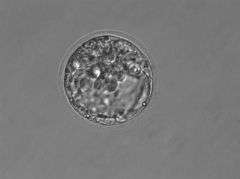
In a finding that could boost the success rate of in vitro fertilization (IVF), researchers report development of a tiny "lab on a chip" to evaluate the fitness of embryos harvested for transfer. A report on the approach — which researchers describe as faster, easier, and more reliable than conventional embryo selection methods — is scheduled for the Sept. 1 issue of ACS' Analytical Chemistry.
In the new study, Todd Thorsen and colleagues note that the current method for evaluating an embryo's fitness for IVF involves microscopic examination of the embryo's physical characteristics, such as cell shape, which is time-consuming and unreliable. Almost 130,000 women undergo IVF procedures each year in the U.S. alone, but the procedure has only a 30 percent success rate.
To boost IVF success, doctors often transfer more than one embryo to the uterus, which can lead to multiple births and increases the pregnancy risks to mother and child. A better, more targeted method of embryo selection is needed, the researchers say.
The scientists describe development of a so-called microfluidic chip, about the size of a quarter. It is intended to automatically analyze the health of embryos intended for transplant by measuring how the embryo alters key nutrients in the tissue culture medium used to nurture embryos. In laboratory studies, the researchers collected fluids surrounding 10 mouse embryos and added the fluids to the computer-controlled chip for analysis.
They showed that the device could quickly (in minutes instead of hours) and accurately measure the nutrient content of the sample fluids. Besides improving the quality of embryos chosen for IVF, the system could ultimately cut costs associated with the procedure, the scientists say.
Source: ACS


