Flowering plants speed post-surgery recovery
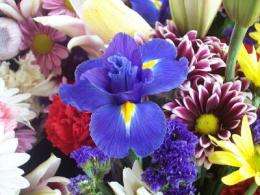
Contact with nature has long been suspected to increase positive feelings, reduce stress, and provide distraction from the pain associated with recovery from surgery. Now, research has confirmed the beneficial effects of plants and flowers for patients recovering from abdominal surgery.
A recent study by Seong-Hyun Park and Richard H. Mattson, researchers from the Department of Horticulture, Recreation and Forestry at Kansas State University, provides strong evidence that contact with plants is directly beneficial to a hospital patient's health. Using various medical and psychological measurements, the study set out to evaluate if plants in hospital rooms have therapeutic influences.
Studies show that when patients have great stress associated with surgery, they typically experience more severe pain and a slower recovery period. Some of these problems are treated through the use of anesthetics and analgesics, but, if not properly administered, the drugs can have side effects ranging from vomiting and headaches to drug dependency or even fatality. It is therefore beneficial to patients and care providers to develop approaches that improve the overall patient experience but don't rely on pharmaceuticals.
The study, published in the October 2008 issue of HortTechnology, was conducted on 90 patients recovering from an appendectomy. Patients were randomly assigned to hospital rooms with or without plants during their postoperative recovery periods. Data collected for the study included information on the length of hospitalization, administration of drugs for postoperative pain control, vital signs, ratings of pain intensity, distress, fatigue and anxiety, and the patient's room satisfaction questionnaire.
Patients with plants in their rooms had significantly fewer intakes of pain medication, more positive physiological responses (lower blood pressure and heart rate), less pain, anxiety, and fatigue, and better overall positive and higher satisfaction with their recovery rooms than their counterparts in the control group without plants in their rooms.
An interesting note to this study—the majority of patients who had plants in their rooms reported that the plants were the most positive qualities of their rooms (93%), whereas patients without plants in their rooms said that watching television was the most favorable aspect of their rooms (91%).
The study suggests that potted plants offer the most benefit, as opposed to cut flowers, because of their longevity. Nursing staff reported that as patients recovered, they began to show interaction with the plants, including watering, pruning, and moving them for a better view or light. A number of studies have also shown that indoor plants make air healthier and provide an optimum indoor environment by increasing humidity, and reducing the quantity of mold spores and airborne germs.
This nonpharmacological approach to recovery is good news for patients, doctors, and insurers alike in terms of cost effectiveness and medical benefits. The study provides strong evidence that contact with plants is directly beneficial to patients' health, providing meaningful therapeutic contact for patients recovering from painful surgery.
The complete study and abstract are available on the ASHS HortTechnology electronic journal web site: horttech.ashspublications.org/ … nt/abstract/18/4/563 .
Source: American Society for Horticultural Science


