Researcher: New toxicant safety standards are needed to protect the young
January 20, 2009 By Susan Lang Researcher: New toxicant safety standards are needed to protect the young

(PhysOrg.com) -- In an invited, peer-reviewed journal article on how prenatal exposure to toxic substances are linked to a host of diseases in later life -- from atherosclerosis to cancer -- a Cornell toxicologist calls for changing how safety testing is done to better protect infants and children.

Safety testing for environmental chemicals and drugs is routinely conducted on adults, said Rodney R. Dietert, professor of immunotoxicology at the College of Veterinary Medicine, which is hardly relevant for young children or children in utero.

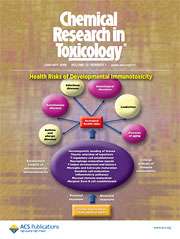
"The developing immune system is more sensitive to toxicants than that of the adult and in ways that cannot be readily predicted by adult safety testing," said Dietert, whose perspective piece on developmental immunotoxicology (DIT) is the cover story of the January issue (22:1) of the American Chemical Society's Chemical Research in Toxicology.

"Yet, many chronic diseases that have been increasing in incidence -- including childhood asthma and allergies, autism, childhood leukemia, type 1 diabetes, celiac disease, rheumatoid arthritis and lupus -- are associated with early life environmental exposures, and they all also have immune dysfunction in common."

Dietert, who has been studying for more than a decade how toxic substances affect the developing immune system, stresses the need to focus more attention on identifying environmental factors that can damage the immune system during prenatal, infant and juvenile development. Protecting the immature immune systems could not only extend quality of life during adulthood, but also reduce future health care needs.

"The maturing immune system is a vulnerable target for toxicants as it progresses through a series of novel prenatal and perinatal events that are critical for later-life host defense against a wide array of diseases," said Dietert. "When it is disrupted by exposure to chemicals, all too often the outcome takes the form of persistent immune dysfunction or misregulation. For this reason, the health risks of exposure to toxicants are significantly greater in early life."

Because DIT is linked to a majority of the most significant childhood chronic diseases, he added, "safety testing for DIT is a pivotal issue in the protection of children's health."

Provided by Cornell University


print this article email this article download pdf blog this article bookmark this article     Stumble it Digg this share on Facebook retweet share on Reddit add to delicious
Rate this story - 4 /5 (1 vote)


January 20, 2009 all stories

Comments: 0

4 /5 (1 vote)
  • Stumble this up

  • Digg this

  • share this

  • hide
  • Related Stories

  • The truth about swine flu: Separating fact and rumor
    created Oct 23, 2009 | popularity not rated yet | comments 0
  • NIAID launches 2009 H1N1 influenza vaccine trial in pregnant women
    created Sep 09, 2009 | popularity not rated yet | comments 0
  • Using insects to test for drug safety
    created Sep 08, 2009 | popularity not rated yet | comments 0
  • Surgical scrub solution: It's good for patients, too (w/ Video)
    created Sep 04, 2009 | popularity not rated yet | comments 0
  • An HIV-blocking gel for women
    created Aug 10, 2009 | popularity not rated yet | comments 0


  • hide
  • Relevant PhysicsForums posts

Other News

Implantable Glucose Sensor Could Spell Relief for Millions of Diabetics (w/ Video)

Implantable Glucose Sensor Could Spell Relief for Millions of Diabetics (w/ Video)

Medicine & Health / Research

created 52 minutes ago | popularity not rated yet | comments 0

(PhysOrg.com) -- UConn researchers have developed a tiny wireless device that can be inserted under a patient?s skin to monitor blood glucose levels over a period of several months.


The upside of feeling down

The upside of feeling down

Medicine & Health / Psychology & Psychiatry

created 2 minutes ago | popularity not rated yet | comments 0

A chill wind chases you into the door of your local newsagent. Rain is drumming down outside. As you pay for your newspaper, you briefly notice a number of strange items on the checkout counter - a matchbox ...


Virtual reality games could help bullying victims

Medicine & Health / Psychology & Psychiatry

created 32 minutes ago | popularity not rated yet | comments 0

(PhysOrg.com) -- Virtual reality games could help children to escape victimisation and bullying at school, according to researchers at the University of Warwick.


Scientists call for ban on alcohol-industry sponsorship of sport

Medicine & Health / Other

created 1hour ago | popularity not rated yet | comments 0

The alcohol industry's sponsorship of sport should be banned and replaced with a dedicated alcohol tax modelled on those employed by some countries for tobacco, say scientists.


Fewer emergency patients seen within recommended time frame

Medicine & Health / Other

created 52 minutes ago | popularity not rated yet | comments 0

One in four emergency department patients in 2006 waited longer to be evaluated by a clinician than recommended at triage, an increase from one in five in 1997, according to a report in the November 9 issue of Archives of ...