It's no iPhone but Samsung Delve has appeal
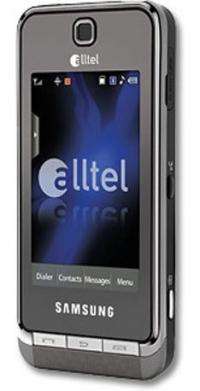
The ongoing quest for an alternative to the Apple iPhone has led to the Samsung Delve.
It's a similar story in examining the clone army of knockoffs that are following in Apple's footsteps.
The Delve is an average phone. It's versatile and sturdy and comes with the online and multimedia features we've come to expect, such as playing music and browsing the Web.
But the interface - the software that lets you tell the phone what you want it to do - falls flat when comparing it to the genre-defining iPhone.
It's clunky and unsophisticated and feels artificially slow - especially when you're used to a superior product. And that's too bad because there are a few glimmers of brilliance in the Delve's design.
For example, the touch screen is very responsive and accurately interpreted my taps as I bounced between applications, giving a little vibrating force feedback when I pressed on different icons.
The Delve is slim and compact - measuring 4.57 inches by 2.17 inches by 0.48 inches - and light at 3.63 ounces. But it also feels hearty, like it could survive a decent accidental drop.
The phone also has a 2 megapixel camera that quickly captures stills and video, Bluetooth wireless for connecting accessories and a reasonably bright, colorful 3-inch screen. The Delve's talk time lasts up to 4.7 hours, and it has about 350 hours of standby time.
And although it has only about 150 megabytes of internal memory - a paltry sum by today's standards - a microSD slot could potentially add several gigabytes more. That choice would come at an extra cost, however, because the Delve doesn't come with any kind of starter storage card.
And that's where the kudos come to a screeching halt, mostly because this decent piece of hardware is kneecapped by the mediocre software running on it.
Using the touch screen is fine until you need to type out messages on a virtual QWERTY keyboard and realize there is no auto-correct to help fix inevitable typos.
And a lot of the software on the Delve ran painfully pokey, whether I was trying to fire up some of the games that came loaded on the device or run the built-in music player.
There were times I was so furious with the slow software that I came close to testing how sturdy the phone was by throwing it across the room.
The Delve tries to make up for its shaky software with "widgets," which are shortcuts available along the left side of the main screen via a bar that automatically hides when not being used.
It's a little similar to the task bar at the bottom of Windows computers but not nearly as useful, although it is an alternative to the outdated layered menu systems still common in so many mobile phones.
At least the Delve's calls were clear and consistent, which is something you can't take for granted. U.S. Cellular's EasyEdge network provided Web pages at a tolerable pace, although they were cramped and unpleasant to read on the Delve's browser.
Still, with a two-year service contract and rebates (again, on U.S. Cellular), the Delve costs only $99.95, making it a reasonably priced compromise.
___
Stanley A. Miller II covers personal technology for the Journal Sentinel. Reach him at (414) 223-5162 or smiller(at)journalsentinel.com.
___
(c) 2009, Milwaukee Journal Sentinel.
Visit JSOnline, the Journal Sentinel's World Wide Web site, at www.jsonline.com/
Distributed by McClatchy-Tribune Information Services.


