Sweden unveils 'ambitious' clean energy strategy
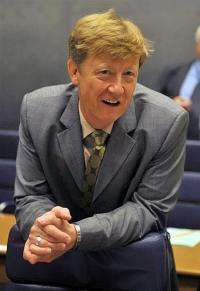
Sweden's government on Wednesday presented what it described as Europe's "most ambitious" strategy to improve energy efficiency and cut greenhouse gas emissions.
"As the first industrialised country, we are presenting a concrete plan towards becoming independent of fossil fuels and reducing emissions to a level that the climate requires," Environment Minister Andreas Carlgren said.
The government said it now aims by 2020 for renewable energy to comprise 50 percent of all energy produced, for the Swedish car fleet to be independent of fossil fuels 10 years later and for the country to be carbon neutral by 2050.
"The proposal we are presenting is as a whole the most ambitious climate and energy policy presented by any European country," the statement said.
The centre-right coalition said it would among other things hike taxes on cars related to carbon dioxide emissions, reduce taxes on clean-fuel cars and increase investments in carbon offset projects in developing countries.
The government will double its annual contribution to energy efficiency measures to 300 million kronor (27 million euros, 34 million dollars) between 2010 and 2014.
The targets presented Wednesday were bolder than those set last year when the European Commission presented individual targets for reducing CO2 emissions for each of the 27 members, handing Sweden one of the heaviest burdens in its aim to cut the EU's overall emissions by 20 percent from 1990 levels by 2020.
Sweden, which now plans to slash its greenhouse gas emissions by 40 percent from its 1990 levels within the next 11 years, was asked to cut CO2 output by just 17 percent.
"We are now raising our ambition level and increasing our climate policy pace," Carlgren said, adding that "Swedish businesses can become world leaders in the transformation of transportation and housing."
Sweden, which will take over the EU presidency in July, wants to secure its leadership on the issue ahead of the signing of a new global pact on climate change in Copenhagen in December, he said.
(c) 2009 AFP


