Genetic sleuth solves glaucoma mystery
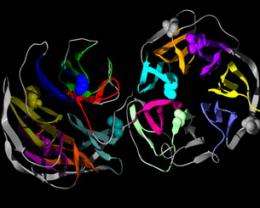
Dr. Michael Walter is one good gumshoe. The University of Alberta medical geneticist has cracked the case of WDR36, a gene linked to glaucoma.
Glaucoma is a leading cause of blindness in which cells in the optic nerve die, preventing the brain from understanding what patients see. Scientists have long suspected a link between WDR36 and glaucoma, but have been unable to figure out what the gene does and why some people with variations of the gene get glaucoma while others don't.
Walter unravels this mystery in an article, published in the April 1, 2009 print edition of the journal, Human Molecular Genetics, based in Oxford, England.
Walter and his team investigated a yeast gene that is extremely similar to WDR36 but much easier to experiment with. They introduced the suspected WDR36 variations into the yeast gene and tested its ability to function, and discovered that WDR36 wasn't working alone. The gene variations only affected the yeast when there were simultaneous changes to another gene, called STI1. Walter thinks that STI1 is only one of many other genes in which mutations must take place in order for WDR36 to cause glaucoma.
"Our results suggest that glaucoma is polygenetic, which means there have to be changes in several different genes in order for WDR36 to cause the disease," says Walter, a professor and chair of the Department of Medical Genetics in the Faculty of Medicine & Dentistry.
This explains why only some people who have WDR36 gene variations get glaucoma. This may also lead to further research to uncover the other genetic accomplices. "Only 10 per cent of glaucoma cases are caused by known genes, so the genes involved in this polygenetic interaction may help to explain the other 90 per cent," says Walter, who is also a professor in the Department of Ophthalmology.
In addition, Walter uncovered what WDR36 does in normal function. The gene helps make ribosomes, specialized molecules that make the proteins necessary to keep the cell functioning. Walter suspects that changes to WDR36 will affect ribosome production, and in turn affect the cell's ability to function.
But this mutation alone isn't enough to cause glaucoma. Changes also have to happen to the gene's partner in crime, the STI1 gene, which normally packages the proteins produced by WDR36's ribosomes. Walter says these findings explain the mechanics of glaucoma, how changes in these two genes lead to the illness.
"Glaucoma happens when WDR36 isn't producing ribosomes properly and STI1 isn't packaging those proteins properly - you need at least these two mutations to cause the disease."
Walter says this DNA detective work may have a tangible impact on preventing and treating glaucoma. "Glaucoma is one of the few blinding eye diseases that we can actually treat. But right now we're only treating the symptoms, not the disease."
"If we can understand who gets glaucoma, then we're in a much better place to prevent it, and if we can understand why they get glaucoma, then we have some important clues to use in developing second-generation medications that treat the disease itself."
Source: University of Alberta Faculty of Medicine & Dentistry (news : web)


