Study finds new evidence of periodontal disease leading to gestational diabetes
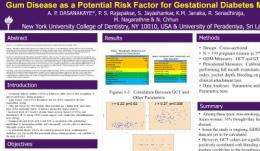
A new study by NYU dental researchers has uncovered evidence that pregnant women with periodontal (gum) disease face an increased risk of developing gestational diabetes even if they don't smoke or drink, a finding that underscores how important it is for all expectant mothers - even those without other risk factors - to maintain good oral health.
The study, led by Dr. Ananda P. Dasanayake, Professor of Epidemiology & Health Promotion at New York University College of Dentistry in collaboration with the Faculty of Dental Sciences at the University of Peradeniya, Sri Lanka, eliminated smoking and alcohol use among a group of 190 pregnant women in the South Asian island nation of Sri Lanka, where a combination of cultural taboos and poverty deter the majority of women from smoking and drinking. The findings support an earlier study led by Dr. Dasanayake that found evidence that pregnant women with periodontal disease are more likely to develop gestational diabetes than pregnant women with healthy gums.
That study, which followed 256 women at New York's Bellevue Hospital Center through their first six months of pregnancy, showed that 22 of the women developed gestational diabetes. Those women had significantly higher levels of periodontal bacteria and inflammation than the other women in the study. The findings were published in the April 2008 issue of the Journal of Dental Research.
More than one-third of the women in the new study, which was conducted over the course of one year, reported having bleeding gums when they brushed their teeth. The women were given a dental examination and a glucose challenge test, which is used specifically to screen for gestational diabetes. According to Dr. Dasanayake, those women found to have the greatest amount of bleeding in their gums also had the highest levels of glucose in their blood. Dr. Dasanayake, who presented the findings today at the annual meeting of the International Association for Dental Research in Miami, said that he expected the final data to show that between 20 and 30 of the women had developed gestational diabetes.
Gestational diabetes is characterized by an inability to transport glucose -- the main source of fuel for the body -- to the cells during pregnancy. The condition usually disappears when the pregnancy ends, but women who have had gestational diabetes are at a greater risk of developing the most common form of diabetes, known as Type 2 diabetes, later in life. Asians, Hispanics, and Native Americans are at the highest risk for developing gestational diabetes. All of the women in the Sri Lanka study were of Asian origin, while 80 percent of the New York study subjects were Hispanic.
"In addition to its potential role in preterm delivery, evidence that gum disease may also contribute to gestational diabetes suggests that women should see a dentist if they plan to get pregnant, and after becoming pregnant," Dr. Dasanayake said. "Treating gum disease during pregnancy has been shown to be safe and effective in improving women's oral health and minimizing potential risks."
Source: New York University (news : web)


