Computational Analysis Helps Researchers Understand Emerging H1N1 Flu Strain
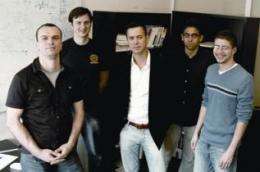
As part of a broad-based effort to understand the precise genetic make-up of H1N1 - now being referred to as “swine flu” in North America - a group of virologists and computational biologists from Columbia University Medical Center has delved headlong into analyzing the mysterious virus that has infected hundreds if not thousands of people worldwide since surfacing on public health workers’ radars last week.
A computational biology group led by Raul Rabadan, Ph.D., is now analyzing the recent sequences from samples in New York, Texas, Ohio, California, Spain, New Zealand, and parts of Asia, of swine H1N1 entered into the U.S. government’s National Center for Biotechnology Information database. The results generated by that publicly available data have so far been intriguing: All samples or “isolates” of the virus in North America indicate that it is almost entirely of swine origin, according to the preliminary research now published by Dr. Rabadan and his colleagues in the April 30, 2009 journal Eurosurveillance.
“Scientifically, this is a swine virus,” agreed Dr. Richard Webby, a virologist at St. Jude Children's Research Hospital in Memphis, in an interview with the Associated Press. Dr. Webby is director of the WHO Collaborating Center for Studies on the Ecology of Influenza Viruses in Lower Animals and Birds.
Influenza is an RNA viruses composed of eight segments, Dr. Rabadan says. His findings show that the new H1N1 strain is related to influenza viruses found in swine, both in North America and Eurasia. In particular, the segments from the North American lineage, were related to a swine virus isolated in 1998 that was a triple reassortment of avian, swine and human viruses. Whether his team’s findings suggest a higher or lower threat level from the virus now being transmitted human-to-human remains to be seen.
"Raul had been working in this area for some time," said George Hripcsak, M.D., chair of the department of biomedical informatics at Columbia University. "As soon as he and his team learned of the outbreak, they begain scrutinizing the near real-time data to understand the composition of the virus. They were able to share their results quickly over a listserv and an online journal and make a significant contribution to the unfolding scientific discussion that is helping public health officials grapple with this latest pathogenic threat."
Dr. Rabadan, a computational virologist, has sought to understand the role of different hosts in the origin of the 1918 pandemic and to evaluate the rate and likelihood of different reassortments. Upon hearing of the current epidemic, he has been pulling the latest data into his analysis, which has been substantiated by other researchers following the discussion, including a senior scientist at the Lawrence Livermore National Laboratory in California.
Provided by Columbia University


