Controversial cancer stem cells offer new direction for treatment (w/ Video)
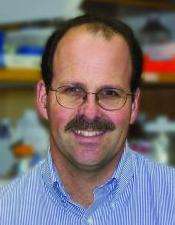
In a review in Science, a University of Rochester Medical Center researcher sorts out the controversy and promise around a dangerous subtype of cancer cells, known as cancer stem cells, which seem capable of resisting many modern treatments.
The article proposes that this subpopulation of malignant cells may one day provide an important avenue for controlling cancer, especially if new treatments that target the cancer stem cell are developed and combined with traditional chemotherapy and/or radiation.
"The fact that these concepts are steadily making their way into the clinic is exciting, and suggests that the recent interest in cancer stem cells may yield beneficial outcomes in potentially unexpected ways," wrote co-authors Craig T. Jordan, Ph.D., professor of Medicine at URMC and director of the James P. Wilmot Cancer Center Translational Research for Hematologic Malignancies program; and Jeffrey Rosen, Ph.D., the C.C. Bell Professor of Molecular and Cellular Biology and Medicine at Baylor College of Medicine.
Cancer stem cells (CSCs) are a hot topic in the scientific community. First identified in 1994 in relation to acute myeloid leukemia, CSCs have now been identified in several solid tumors in mice as well. Scientists who study CSCs believe they have distinct properties from other cancer cells, and may be the first cells to undergo mutations.
Research from the past 10 years suggests that because CSCs may be the root of cancer, they also might provide a new opportunity for a treatment. Jordan and a group of collaborators, for example, are testing a new drug compound based on the feverfew plant that demonstrates great potential in the laboratory for causing leukemia CSCs to self destruct.
Another new approach, the authors said, is the use of chemical screens to search drug libraries for already approved agents that may target CSCs, or make resistant tumor cells more sensitive to chemotherapy and radiation.
Cancer stem cell biologists hypothesize that any treatment that targets the source of origin rather than simply killing all cells, healthy and malignant, would be an improvement over most conventional therapies.
Some scientists, however, are uncertain if CSCs have unique biological properties or any relevance to treatment, the authors noted. What is more likely to fuel cancer, other studies have found, are unfavorable factors in the neighboring cells surrounding the tumor, such as mutated genes, proteins that encourage cell growth, and a poor immune system, for instance.
The most challenging issue facing CSC biologists is that the number and type of cancer stem cells can vary from patient to patient. In some tumor samples, for example, CSCs are rare while in others they constitute a large portion of the tumor mass, the authors said.
To understand why CSCs are so variable, investigators are trying to determine what genes and pathways are responsible for activating cancers that have a poor prognosis, and whether these cancers also have a higher frequency of CSCs.
"Whether the cancer stem cell model is relevant to all cancers or not," they wrote, "it is clear that we need new approaches to target tumor cells that are resistant to current therapies and give rise to recurrence and treatment failure."
An unexpected benefit of so much attention on normal stem cells is that it has stimulated research in areas not previously the focus of cancer therapies, Jordan and Rosen said.
For example, pathways known to be important for normal stem cell self-renewal, such as the Wnt, Notch and Hedgehog(Hh) pathways, are now of increased interest due to their potential role in CSCs. The first clinical trial using an agent to block the Notch pathway in combination with chemotherapy for breast cancer has begun.
The authors conclude by spotlighting the pressing need for preclinical models to test appropriate doses and combinations of CSC therapies before they can move into human clinical trials.
Source: University of Rochester Medical Center (news : web)


