Clean fuels could reduce deaths from ship smokestacks by 40,000 annually
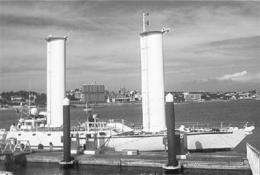
Rising levels of smokestack emissions from oceangoing ships will cause an estimated 87,000 deaths worldwide each year by 2012 -- almost one-third higher than previously believed, according to the second major study on that topic. The study says that government action to reduce sulfur emissions from shipping fuel (the source of air pollution linked to an increased risk of illness and death) could reduce that toll. The study is in the current issue of ACS' Environmental Science & Technology.
James Winebrake and colleagues note that most oceangoing ships burn fuels with a high sulfur content that averages 2.4 percent. Their smokestacks emit sulfur-containing particles linked to increased risks of lung and heart disease. A 2007 study by the researchers estimated that about 60,000 people died prematurely around the world due to shipping-related emissions in 2002. The new study estimates that the toll could rise to 87,000 by 2012, assuming that the global shipping industry rebounds from the current economic slump and no new regulation occurs.
Policymakers now are considering limiting ships emissions by either restricting sulfur content in fuel or designating air pollution control areas to reduce air pollution near highly populated coastal areas. Requiring ships to use marine fuel with 0.5 percent sulfur within 200 nautical miles of shore would reduce premature deaths by about 41,200, the study concludes. Lower sulfur reductions could reduce deaths even further, they say, adding that designated emission control areas will also have a positive impact.
More information: "Mitigating the Health Impacts of Pollution from Oceangoing Shipping: An Assessment of Low-Sulfur Fuel Mandates," Environmental Science & Technology
Source: American Chemical Society (news : web)


