Protein complex key in avoiding DNA repair mistakes, cancer
As the body creates antibodies to fight invaders, a three-protein DNA repair complex called MRN is crucial for a normal gene-shuffling process to proceed properly, University of Michigan research shows.
The discoveries in mice, published online this week in Nature Structural and Molecular Biology, advance understanding of the immune system and shed light on how B-cell lymphoma and some other cancers may begin.
U-M scientists found that:
- When one protein in the MRN complex, Mre11, is absent, mistakes occur in a risky DNA break-and-repair process that routinely occurs in immune system B cells. The process is known as immunoglobulin class switch recombination.
- Incorrectly repaired DNA can alter the normal action of B lymphocytes and their offspring, whose job is to make antibodies to combat and protect against specific disease-causing microbes and other foreign agents.
Context
The MRN complex consists of three proteins, Mre11, Rad50 and Nbs1. The Ferguson study examined the role of Mre11.
The MRN complex is an emerging area of interest in medical science. MRN appears to be a key force in sensing and repairing DNA damage. In the DNA of cells throughout the body, damage known as double strand breaks occurs frequently, especially as people grow older. External causes such as exposure to toxic substances or ionizing radiation, or forces inside the body such as oxidative stress, can cause the breaks. Mistakes in the repair of breaks can lead to cancer.
The new study builds on an earlier study by Ferguson and his team published in Cell in October 2008, which showed that Mre11 both signals and repairs DNA damage.
Research details
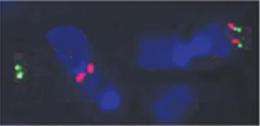
The research team used complex mouse genetics to create mice with Mre11 mutations only in B lymphocytes. They then found that chromosomes were broken in Mre11-deficient B lymphocytes undergoing class switching. The breaks were located in the immunoglobulin locus, the site where class switch recombination occurs. This demonstrated that Mre11 is required for the actual repair of the intentional DNA damage, and implies a crucial role for Mre11 in preventing cancer.
"The link to cancer results from what is known to happen to DNA breaks at the immunoglobulin locus," says Ferguson. "On rare occasions, these special DNA breaks can recombine with distant sites in the genome, and result in chromosome translocations that cause cancer." For example, the immunoglobulin locus is found rearranged with oncogenes such as BCL2 or BCL6 in common human B-cell lymphomas.
Ferguson says it is possible that MRN deficiencies can lead to several types of lymphomas and leukemias, and may be involved in colon and breast cancer as well. Genetic variations related to the MRN complex also may be at the root of inherited immunodeficiency disorders, and to more mild symptoms of immunodeficiency that may affect greater numbers of people.
Ferguson is also a co-author of a related study of Mre11 published online this week in Nature. The two new studies together reveal that the same protein that assures normal B-cell function also plays a role in a type of gene damage associated with both cancer and aging.
The Nature Structural and Molecular Biology study shows that the body needs Mre11 action to properly repair double strand breaks in B cells, allowing the immune system to function correctly. But the Nature study reveals that Mre11's repair action at the ends of chromosomes, called telomeres, can facilitate catastrophic chromosome fusing. Fused chromosomes are implicated in cancer and aging.
What's next
In further research in mice, Ferguson and his team are now searching for specific evidence that double strand breaks get "misrepaired" in ways that lead to B-cell lymphoma. The research may eventually lead to human trials of new strategies in cancer diagnosis and treatment.
More information:
Nature Structural and Molecular Biology, doi:10.1038/nature081961038/nsmb.1639 ;
Nature, doi:10.1038/nature08196
Source: University of Michigan Health System (news : web)


