Bypassing bypass surgery
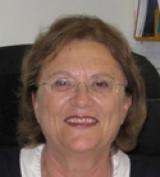
Although open-heart surgery is a frequent treatment for heart disease, it remains extremely dangerous. Now groundbreaking research from Dr. Britta Hardy of Tel Aviv University's Sackler School of Medicine has shown the potential for an injected protein to regrow blood vessels in the human heart ― eliminating the need for risky surgery altogether.
In heart disease, blood vessels are either clogged or die off, starving the heart of oxygen and leaving it highly susceptible to a cardiac attack. Dr. Hardy and her research partner Prof. Alexander Battler have developed a protein-based injection that, delivered straight to muscles in the body, sparks the regrowth of tiny blood vessels. These new vessels in the heart could give millions of people around the world a new lease on life.
Research on the procedure was recently published in Biochemical Pharmacology.
A treatment without side effects or inflammation
"The biotechnology behind our human-based protein therapy is very complicated, but the goal is simple and the solution is straightforward," says Dr. Hardy. "We intend to inject our drug locally to heal any oxygen-starved tissue. So far in animal models, we've seen no side effects and no inflammation following our injection of the drug into the legs. The growth of new blood vessels happens within a few weeks, showing improved blood circulation."
The protein solution can also be added as a coating to a stent. Currently, the implantation of a stent is accompanied by a high risk for blood clots, which necessitates the use of blood thinners. "We could coat a stent with our peptide, attracting endothelial stem cells to form a film on the surface of the stent," Dr. Hardy explains. "These endothelial cells on the stent would eliminate the need for taking the blood thinners that prevent blood clots from forming."
If investment goals are met, Dr. Hardy anticipates toxicity studies and Phase I trials could be complete within two years.
Saving a leg, saving a life
The research began with the hope of preventing leg amputations, positing that proteins from the human body could be used to trigger the growth of new blood vessels. Dr. Hardy started by studying a library of peptides and testing them in the laboratory. With the assistance of philanthropic funding from the Colton family in the U.S., Dr. Hardy was able to confirm initial results. She then took some of the isolated and synthesized peptides and tested them in diabetic mice whose legs were in the process of dying.
Although diabetes is known to decrease blood circulation, Dr. Hardy found that her therapy reversed the decrease. "Within a short time we saw the formation of capillaries and tiny blood vessels. After three weeks, they had grown and merged together with the rest of the circulatory system," she says. In mice with limited blood circulation, she was able to completely restore blood vessels and save their legs. It was then a short step to studying the applicability of the research to cardiac patients.
A new therapy could be commercially available soon. Unlike studies for other drugs, clinical results with the blood vessels are practically immediate. "It's pretty obvious if there is regrowth or not. Our technology promises to regrow blood vessels like a net, and a heart that grows more blood vessels becomes stronger. It's now imaginable that, in the distant future, peptide injections may be able to replace bypass surgeries," Dr. Hardy concludes.
Source: Tel Aviv University (news : web)


