Australian town in 'world-first' bottled water ban
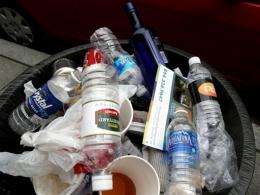
An Australian town pulled all bottled water from its shelves Saturday and replaced it with refillable bottles in what is believed to be a world-first ban.
Hundreds of people marched through the picturesque rural town of Bundanoon to mark the first day of its bottled water ban by unveiling a series of new public drinking fountains, said campaign spokesman John Dee.
Shopkeepers ceremoniously removed the last bottles of water from their shelves and replaced them with reusable bottles that can be filled from fountains inside the town's shops or at water stations in the street.
"Every bottle today was taken off the shelf and out of the fridges so you can only now buy refillable bottles in shops in Bundanoon," Dee told AFP.
The tiny town, two hours south of Sydney, voted in July to ban bottled water after a drinks company moved to tap into a local aquifer for its bottled water business.
"In the process of the campaign against that the local people became educated about the environmental impact of bottled water," said Dee.
"A local retailer came up with this idea of well why don't we do something about that and actually stop selling the bottled water and it got a favourable reaction," he said.
Dee said the 2,000-person town had made international headlines with their bid, which he hoped would spur communities across the world to action.
"Whilst our politicians grapple with the enormity of dealing with climate change what Bundanoon shows is that at the very local level we can sometimes do things that can surprise ourselves, in terms of our ability to bring about real and measurable change that has a real benefit for the environment," he said.
The cash savings only made the project more compelling, he added.
"I think that's why this campaign is doing so well, because we're saying to people you can save money and save the environment at the same time," said Dee. "The alternative doesn't have a sexy brand, doesn't have pictures of mountain streams on the front of it, it comes out of your tap."
Activists say bottling water causes unnecessary use of plastics and fuel for transport. A New South Wales study found that in 2006, the industry was responsible for releasing 60,000 tonnes of gases blamed for global warming.
(c) 2009 AFP


