Nasal spray flu vaccine becoming available
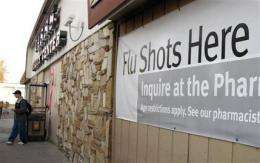
(AP) -- The long-awaited first vaccinations against swine flu - the squirt-in-the-nose kind - begin early next week in parts of the country, and states are urging people to be patient until more arrives.
Just a trickle of vaccine, 600,000 doses of the nasal spray FluMist, will be divided among 21 states and four large cities by Tuesday, with more small shipments to more states later in the week.
"We're moving this out as quickly as we can," said Oregon's public health director, Dr. Mel Kohn, who hopes shipments arrive in time to begin some vaccinations on Monday. "This doesn't do any good sitting in a warehouse."
Most states are aiming their first small batches at health care workers, hoping to keep them well enough to be on the job as cases of swine flu - what doctors prefer to call the 2009 H1N1 strain - are rapidly increasing nationwide.
In Chicago, firefighters will share first doses with hospitals, to get some emergency responders protected, too.
Alaska wants its meager first 4,000 FluMist doses to head directly to preschoolers, ages 2 to 4.
And Pennsylvania will target its initial 58,000 FluMist doses mostly to 5- to 9-year-olds in parts of the state where H1N1 is most active. It's the school-age kids who are getting infected most, said Pennsylvania's acting physician general, Dr. Stephen Ostroff, and the under-10 crowd is going to need two doses of swine flu vaccine.
"Our figuring is, let's get started in the group that's going to take longest to get protected," he said.
Stay tuned: How much vaccine is available and for whom is going to change week by week.
"This is really just the beginning," said Dr. Anne Schuchat of the U.S. Centers for Disease Control and Prevention. "We need a little bit of patience the first couple of weeks."
Indeed, some states were surprised that the first shipments were FluMist, which is only for healthy people ages 2 to 49, which leaves out some of the groups at high risk for H1N1 flu.
The more common flu shot will be close behind, part of the 6 million to 7 million doses of vaccine the CDC expects to ship around the country by the end of next week.
Far larger batches - about 40 million doses - start shipping the second week of October. That's when states expect enough of both shots and FluMist to start heavily targeting the high-risk groups: pregnant women, children and young adults from 6 months to 24 years, the young and middle-aged who have flu-risky conditions like asthma or diabetes, and caregivers of infants.
Hospitals in Pinellas County, Fla., plan to give new parents a special reminder. On the newborn checklist - infant car seat, going-home outfit - comes a plea to get themselves vaccinated before discharge. Because newborns can't be vaccinated, "the only way to protect your baby is for Mom, Dad and the family to receive the vaccine," the flyer says.
By the end of October, Arizona expects 1 million doses on hand, enough for schools to start onsite vaccination programs, said Health Services Director Will Humble.
What about everybody else? Massachusetts officials are warning that people who aren't at high risk from swine flu may have to wait until November for an H1N1 shot.
In other states, officials are more optimistic. Milwaukee has earmarked its first shipment for health workers and its second for schoolchildren, kindergarten through high school.
Then by late October, "we should be able to open it up to anyone who wants it," said Milwaukee's disease-control chief, Paul Biedrzycki. "We're expecting two to three times the demand for seasonal flu vaccines."
This year brings an unusually complex vaccination schedule: Most people will need two different inoculations, one against regular winter flu and the H1N1 vaccine. Plus, children under 10 will need two H1N1 doses.
The federal government bought the nation's entire supply of H1N1 vaccine and is dividing doses as they arrive among states according to population. State health departments submit orders, and doses are shipped to the vaccination sites the states deemed able to quickly get shots into arms and squirts up noses - a mix of doctors' offices, hospitals, drugstores and public clinics. CDC in turn will track those shipments to see how fast vaccine is used, and for whom, to ensure the populations at highest risk are vaccinated.
©2009 The Associated Press. All rights reserved. This material may not be published, broadcast, rewritten or redistributed.


