Eating right, not supplements, is best at keeping your good bacteria healthy, dietitian says
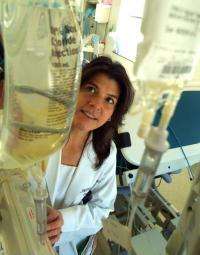
Healthy eating, not supplements, is the best way to keep the good bacteria in your gut healthy, says a dietitian and researcher.
As with vitamins, it's best to get the bacteria you need from healthy food rather than taking often expensive and potentially ineffective supplements, says Gail Cresci, Medical College of Georgia dietitian and researcher.
"Consumers are buying stuff like crazy that is probably not even helping them and could potentially hurt them," says Ms. Cresci, assistant professor of surgery at the MCG School of Medicine and winner of the 2009 Excellence in Practice Award for Clinical Nutrition by the American Dietetic Association.
Increasing awareness of the benefit some of these organisms play in sickness and in health has resulted in an explosion of prebiotic and probiotic additives and products marketed directly to consumers. It's also created confusion - even among nutrition and other health care experts - about how best to use them, says Ms. Cresci, who prescribes them to help surgery patients recover and works in the lab to learn more about their potential. She discussed the latest findings about their implications for clinical practice at the association's 2009 Food & Nutrition Conference & Expo in Denver, Oct. 17-20.
She equates the good bacterium in your gastrointestinal tract to another living being inside that helps keep you healthy. "If you do good by your bacteria, they will do good by you," Ms. Cresci says.
There are about 800 bacterial species with more than 7,000 strains inhabiting the average gut and even though many sound similar they likely aren't: a little Lactobacillus acidophilus combined with some Lactobacillus bifidus, for example, has been shown extremely beneficial in preventing antibiotic-induced diarrhea while Lactobacillus bulgaricus with some Streptococcus thermophilus is useless.
"You need to be careful," Ms. Cresci says. "You don't just give the same probiotic to try and treat everybody." That's why she lectures to dietitians, physicians and anyone interested in how to make good use of these front-line protectors that attack invaders that enter the body via the mouth and help the immune system keep a more global watch over the body, as well.
There is even mounting evidence that a healthy gut microbiota helps maintain a healthy weight. Studies have shown, for example, that when bacteria from a genetically fat mouse are placed in a lean germ-free mouse, it gains weight without changing its food intake.
Unfortunately poor diets are hurting the bacteria in many of us and the overuse of antibiotics is taking its toll as well, she says, particularly the common, broad spectrum antibiotics that wipe out anything in their path, good and bad bacteria included.
Diarrhea is an extremely common consequence of disturbing the natural balance of your gut's microbiota. In generally healthy individuals, a good diet, rich in fiber, protein and low in fat, will quickly help restore good bacteria. But in older individuals or those with an underlying condition, probiotics may be needed to avoid potentially deadly problems such as overgrowth of bad bacterium like Clostridium difficile. When that bacteria starts to thrive, it can result in an extremely enlarged colon that must be removed and, even then, about 80 percent of patients die.
To avoid such havoc, it's important that you pull the right live bugs off the shelf and that they survive to reach the lower gut, Ms. Cresci says of fragile bacteria that can be lambasted by gastric juices or killed off by even a short-term exposure to ambient heat.
The right combination is essential as well. "A lot of these probiotics have only one bacterium but we have trillions of colony forming units in our gut," she says. There is mounting evidence that one of the best ways to quickly restore the complex gut complement is by using feces from healthy individuals. It's called fecal bacteriotherapy, when feces mixed with a little saline, is given typically via a rectal enema or a nasogastric tube.
The good news is, if you eat right, you likely won't need such extremes.
Ms. Cresci says a good daily diet has:
- 30 percent or less of calories coming from fat and saturated fats comprising no more than 10 percent of that. The majority should come from monounsaturated fats such as olive and canola oils.
- 25-30 grams of fiber, not from supplements, but from fiber-rich foods like whole grains and fresh fruits and vegetables, which also provide needed vitamins and minerals.
- If tolerable, dairy products to help ensure adequate protein, calcium, and other nutrients.
- Protein, through meat or dairy products, or nuts and beans, which also provide fiber and healthy fats.


