Microbes to Take Over Ethanol Production?
November 20, 2009 by Miranda Marquit Ethanol

Enlarge

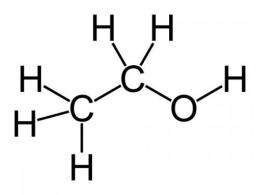
Image source: Ben Mills via Wikimedia Commons

(PhysOrg.com) -- Not too long ago, it seemed that ethanol production was the wave of the future. The use of trash, wood chips or different types of plants -- usually grass or corn -- to make ethanol was considered a way to help reduce reliance on foreign oil. However, investor interest in the process cooled, especially since it turned out that some materials were not terribly efficient when it came to producing ethanol. However, wood chips are once again being considered in the quest to create an industry based around cellulosic ethanol.

The company behind the push is ZeaChem. The company wants to use termites (or, rather, the microbes found in their stomachs) in the creation process. CNET News reports on the efforts of ZeaChem to create a new method of :

ZeaChem's process is different from many other companies in that it uses a bacteria called acetogen, which is found in termite stomachs, to break down without the use of enzymes.

The company contracted with Hazen Research to construct the facility, which will be built using different modules that can be transported in truck-size containers, said Imbler. The goal is to have the operation online next year making both ethanol and specialty chemicals, including ethyl acetate.

ZeaChem plans to look to pharmaceutical companies and even oil refiners as partners in the effort to build an ethanol plant on the commercial scale. The hope is that, by showing that this type of ethanol production is scalable and practical, investors will become interested in providing more financing for the project going forward. After all, the company is likely to run through its $34 million in venture capital fairly quickly.

The idea of using to make various chemicals and fuels is not new. Many companies have been working on putting these tiny creatures to work on behalf of mankind. It will be interesting to see whether ZeaChem's process manages to distinguish itself from others, or whether it goes the way of so many other companies using alternative methods to produce ethanol and other chemicals.

© 2009 PhysOrg.com


Rate this story - 3.7 /5 (7 votes)

Rank Filter

Move the slider to adjust rank threshold, so that you can hide some of the comments.


Display comments: newest first

  • dachpyarvile - Dec 12, 2009
    • Rank: not rated yet
    Very nice! Now, if only we can also look into fixing and improving overall fuel efficiency of Ethanol.

    It should be pointed out that even the manufacturers of flex-fuel vehicles designed to use E85 and other ethanol-based fuels put it into writing that you can expect up to a 30% decrease in overall fuel efficiency/mileage per gallon.

    For those who don't believe it, read the manuals for flex-fuel vehicles very carefully, folks. It's in the "fine print" in some of these manuals.

November 20, 2009 all stories

Comments: 1

3.7 /5 (7 votes)

  • hide
  • Related Stories

  • Commercial yeasts upgraded with an enzyme for biofuel production
    created Feb 24, 2009 | popularity not rated yet | comments 0
  • Researchers using nanotechnology in biofuel process to save money, environment
    created Oct 08, 2009 | popularity not rated yet | comments 0
  • Genome sequencing reveals key to viable ethanol production
    created Mar 02, 2007 | popularity not rated yet | comments 0
  • Researchers advance cellulosic ethanol production
    created Sep 08, 2008 | popularity not rated yet | comments 0
  • Magnets can boost production of ethanol for fuel
    created Sep 10, 2007 | popularity not rated yet | comments 0


  • hide
  • Relevant PhysicsForums posts

Other News

Energy from light and water: New photocatalytic method for the clean production of hydrogen from water

Chemistry / Materials Science

created 17 hours ago | popularity 4.7 / 5 (12) | comments 9 | with audio podcast

(PhysOrg.com) -- Hydrogen-powered fuel cells and solar energy are the best hope for a more environmentally friendly and resource-sparing energy supply in the future. A combination of the two is considered to be particularly ...


New approach to treating breast and prostate cancers

Chemistry / Biochemistry

created 14 hours ago | popularity 2.5 / 5 (2) | comments 0

In a new approach to developing treatments for breast cancer, prostate cancer and enlarged hearts, Loyola University Chicago Stritch School of Medicine researchers are zeroing in on a workhorse protein called RSK.


New research rejects 80-year theory of 'primordial soup' as the origin of life

Chemistry / Biochemistry

created Feb 02, 2010 | popularity 4.3 / 5 (36) | comments 26 | with audio podcast

For 80 years it has been accepted that early life began in a 'primordial soup' of organic molecules before evolving out of the oceans millions of years later. Today the 'soup' theory has been over turned in a pioneering paper ...


It looks, feels and tastes like chicken, but it's made of soy

It looks, feels and tastes like chicken, but it's made of soy

Chemistry / Biochemistry

created Feb 04, 2010 | popularity 4.5 / 5 (18) | comments 14 | with audio podcast

Sure, some delicacies might taste just like chicken, but they usually feel and look much different. Soy meat alternatives, such as the soy burger, have become more popular recently, with increased sales of ...


Compound could become important new antidepressant

Chemistry / Other

created Feb 04, 2010 | popularity 4.9 / 5 (11) | comments 7 | with audio podcast

Chemists at Oregon State University have discovered and synthesized a new compound that in laboratory and animal tests appears to be similar to, but may have advantages over one of the most important antidepressant medications ...