Caltech biologists discover how T cells make a commitment
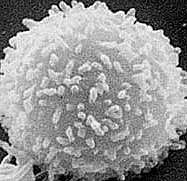
(PhysOrg.com) -- When does a cell decide its particular identity? According to biologists at the California Institute of Technology (Caltech), in the case of T cells—immune system cells that help destroy invading pathogens—the answer is when the cells begin expressing a particular gene called Bcl11b.
The activation of Bcl11b is a "clean, nearly perfect indicator of when cells have decided to go on the T-cell pathway," says Ellen Rothenberg, the Albert Billings Ruddock Professor of Biology at Caltech and senior author of a paper about the discovery that appears in the July 2 issue of the journal Science. The paper, coauthored by Caltech postdoctoral scholar Long Li, is one of three in the issue to examine this powerful gene.
The Bcl11b gene produces what is known as a transcription factor—a protein that controls the activity of other genes. Specifically, the gene is a repressor, which means it shuts off other genes. This is crucial for T cells, because T cells are derived from multipotent hematopoietic stem cells—stem cells that express a wide variety of genes and have the capacity to differentiate into a host of other blood cell types, including the various cells of the immune system.
"Stem cells and their multipotent descendents follow one set of growth rules, and T cells another," says Rothenberg, "so if T-cell precursors don't give up certain stem-cell functions, bad things happen." Like stem cells, T cells have a remarkable ability to grow—but as part of their T-cell-ness, she says, they do so "under incredibly strict regulation. Their growth is restricted unless certain conditions are met." The cells need to shift their growth-control rules during development; after development, because they still need to grow, the cells and their daughters need an active mechanism to make the change irreversible. Bcl11b is a long-sought part of that mechanism.
"For cells that never divide again, maintaining identity is trivial. What they are at that moment is what they are forever," Rothenberg says. Once T cells mature, their abilities to keep dividing and migrating around the body also give them the opportunity to have their daughters adopt different roles in the immune system as they encounter and interact with other types of cells. "Even so, their central T-cell nature remains unchanged, which means that they must have a strong sense of identity," she adds.
The conversion from T-cell precursors to actual T cells takes place in the thymus, a specialized organ located near the heart. "When the future T cells move into the thymus," Rothenberg explains, "they are expressing a variety of genes that give them the option to become other cells," such as mast cells (which are involved in allergic reactions), killer cells (which kill cells infected by viruses), and antigen-presenting cells (which help T cells recognize targeted foreign cells).
As they enter the thymus, the organ sends molecular signals to the cells, directing them down the T-cell pathway. At this point, the Rothenberg lab found, the Bcl11b gene gets turned on. Li, the lead author on the Science paper, found that this confirms the T cells' identity by blocking other pathways. The Bcl11b protein is also needed for the cells to make the break from their stem-cell heritage. "It is like a switch that allows the cells to shut off stem-cell genes and other regulatory genes," Rothenberg says. "It keeps them clean—and may be necessary to 'guard' the T cell from becoming some other type of cell."
Although it is thought that many genes are involved in the process of creating and maintaining T cells, "Bcl11b is the only regulatory gene in the whole genome to be turned on at this stage," she adds, "and it is probably always active in all T cells. It is the most T-cell specific of all of the regulatory factors discovered so far." Among blood cells, this gene is only expressed in T cells, she says. "The gene is used in other cells in completely different types of tissue, such as brain and skin and mammary tissue, but that's how the body works. There's no confusion, because something like brain tissue and mammary tissue will never be a T cell."
When Bcl11b is not present—as in mice genetically altered to lack the gene—T cells "don't turn out right," Rothenberg says. Indeed, T cells in individuals with T-cell leukemia have been found to lack the gene. "It may make them more susceptible to the effects of radiation, because the cells don't know when to stop growing," she says. "We think that the loss of one of the two copies of the gene is enough to prevent cells from growing appropriately."
Provided by California Institute of Technology


