Lab-on-a-chip tests ready for clinical testing
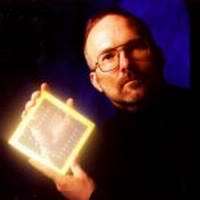
To the naked eye, it looks like an ordinary microscope slide - a small transparent rectangle with hairline tracings running through it. It's hard to believe this microfluidic chip, made of polymer and glass, is poised to change the face of healthcare in Canada and the world.
"This little piece of glass and polymer replaces what goes on in about a quarter of my research lab and it actually, I think, will change our lives - not just the lives of sick people, but healthy people as well," said Dr. Linda Pilarski, a cancer researcher at the University of Alberta who co-leads the Alberta Cancer Diagnostic Consortium (ACDC).
Currently, Pilarski said, many tests for cancer are too complex and expensive to be carried out in clinics, resulting in a lag time between testing, diagnosis and treatment. The devices being developed by ACDC would dramatically lower the complexity and cost of such testing, and enable doctors to deliver patient-specific care more efficiently.
"Testing on fast, sensitive, automated microfluidic devices can warn of potential adverse drug effects, monitor vaccination efficiency, detect disease-related genetic abnormalities, all for the design of personalized medicine," she said.
Dr. Chris Backhouse, a researcher from the U of A's Department of Electrical and Computing Science and co-leader of ACDC, said the innovations being developed in ACDC's labs are parallel to those that led to the miniaturization of electronics in the previous century.
"We wanted to do to the life sciences what has been done to electronics. We expect to see the same evolution that led from a million-dollar computer to something of the same power on your wristwatch for a couple of dollars. That's made computers accessible to all, now we want to do that for the rest of the human population with something more important than moving electrons around."
Pilarski says three tests have already been successfully adapted to the "lab-on-a-chip," and she and her colleagues are ready to begin clinical trials with a genetic test involving childhood lymphocytic leukemia. The conventional means of testing to determine if a patient is a good candidate for a particular kind of drug treatment is not done anywhere in Canada because the expense and complexity are prohibitive.
"Some children with this disease suffer life-threatening toxicities because they react so badly to their anti-cancer drugs," Pilarski said. "We've adapted the relevant genetic tests to the chip... We believe the outcome will be fewer side effects for the children and less hospitalization costs for the health care system, so everyone benefits."
The second test adapted for on-chip testing involves looking for chromosomal abnormalities in molecular myeloma and follicular lymphoma, two diseases of the immune system.
"Clinical use of these tests will alert doctors to avoid conventional chemotherapy for these patients and stem cell transplants which don't seem to work, but focus instead on new biological therapies that are more likely to work. We think this facilitate more effective allocation of scarce health care dollars by targeting treatment to patients who are most likely to respond, and it's also valuable for monitoring response to treatment and is a first alert for impending relapse," Pilarski said.
A third test, to detect high viral loads in urine samples, has also been adapted to the chip.
Pilarski said the potential breakthroughs represented by this technology could revolutionize healthcare.
"Imagine a Canada where complex medical test results are available almost instantly, where aging Canadians can perform home-based testing with almost instantaneous transmission to a doctor's office, where emerging or relapsing cancer can be rapidly detected in local healthcare centres, where high quality healthcare is easily available on the farm, in the mountains, on the high Arctic tundra, or even in outer space. ACDC is creating robust, adaptable and transformative technologies for fast, highly accurate at the point of care, in the field and on the spot," she said.
ACDC has received financial support from Western Economic Diversification Canada, the Canadian Institutes of Health Research, Natural Science and Engineering Research Council of Canada, the Canada Research Chairs program, the Canadian Foundation for Innovation, the Alberta Cancer Foundation, the Alberta Heritage Foundation for Medical Research, and Micralyne Inc. Western Economic Diversification matched funding from NSERC, CIHR, CRC, U of A, U of C and ACB.
Source: University of Alberta


