Item-Level Tagging with RFID Technology
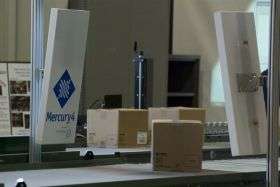
Imagine shopping without money, sales clerks or even cash registers. All you have to do is walk in, find your items and walk out. In the not-so-distant future, special technology within retail stores may help you find items you want, recognize these items when you leave without stopping to check out, and charge your bank account automatically.
The University of Arkansas RFID Research Center will collaborate with a major retail industry organization and a global supply chain association to explore the feasibility and value of using radio-frequency identification technology for item-level tagging of apparel and footwear. The project will generate greater inventory efficiency for retailers and product availability for consumers. Taken further, the research could lead to purchasing items without a cash register.
"It sounds utopian," said Bill Hardgrave, director of the university's RFID Research Center, "but it isn't that far-fetched when you consider the unique capability of RFID technology and implications of this research, if it is successful. Really, with modifications to current technology, shoppers shouldn't have to wait in line for a clerk to ring up their items. Although this project will have major advantages for retailers and suppliers, item-level tagging will lead to even greater advantages for consumers. The research, of course, will be mindful of and explicitly consider protecting a consumer's right to privacy."
The research will first consist of identifying what retailers call "use cases" or "payback areas," which are simply business processes upon which retailers expect item-level tagging to have the greatest impact. Researchers will then test those processes in a lab environment. The goal is to provide an objective evaluation of item-level tagging for apparel and footwear. Hardgrave said he expects to complete the initial phases of the research by the end of 2007.
The research center will collaborate with the Council of Supply Chain Management Professionals, a prominent association for those involved in supply chain management, and the Voluntary Interindustry Commerce Solutions Association, a retail and consumer-goods industry organization that creates best practices to lower business costs and increase product availability for consumers.
Source: University of Arkansas


